
Continuous Winterization Plant Manufacturer Process
- Home
- Edible Oil Refining
- Tailer Made Equipments
- Winterization
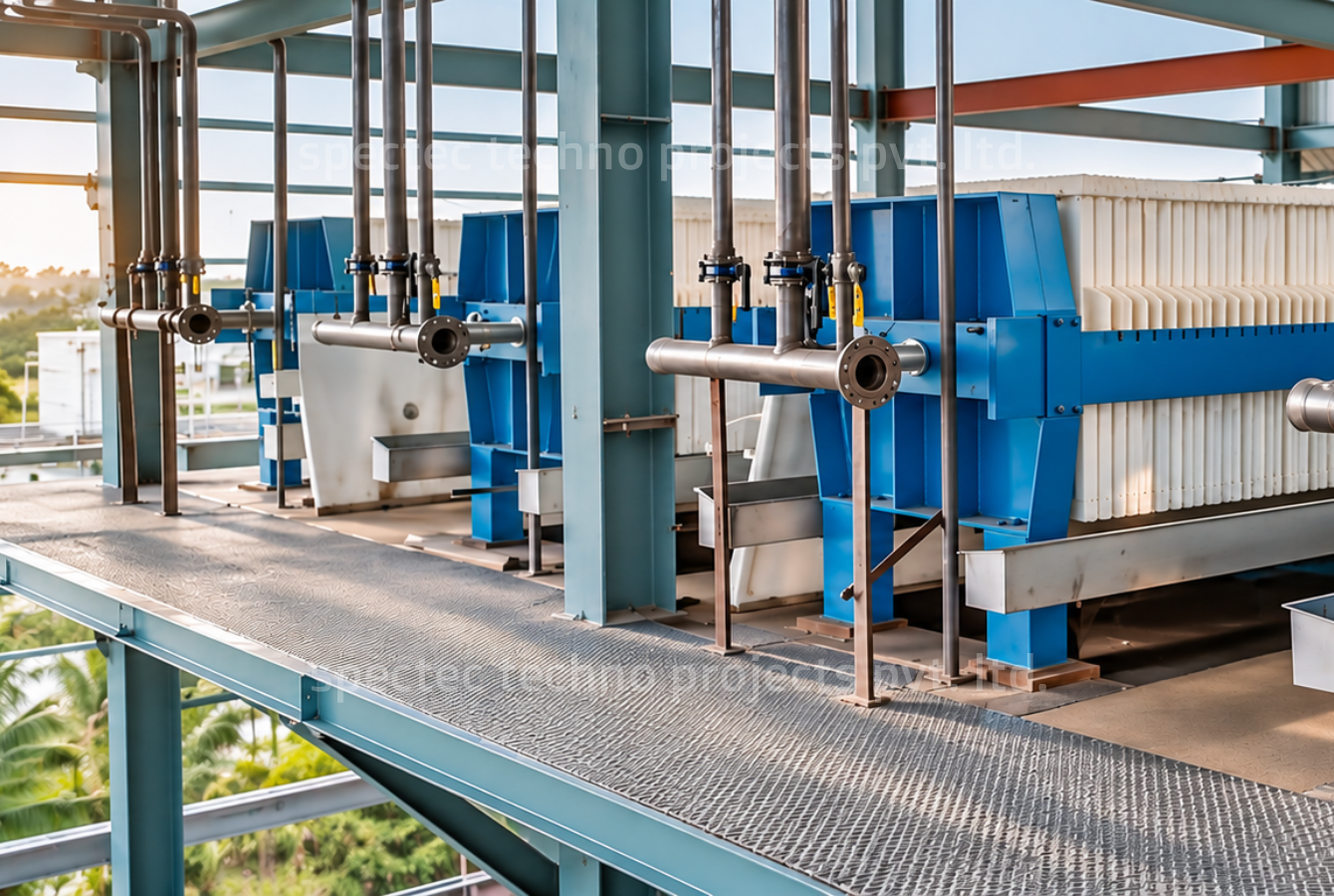
Winterisation is the fully reversible modification process. It is basically a thermochemical separation process in which a
multi-component mixture is physically separated into two or more fractions with distinct physical & chemical properties. This can be based on a difference in solidification, solubility, or volatility of different compounds.
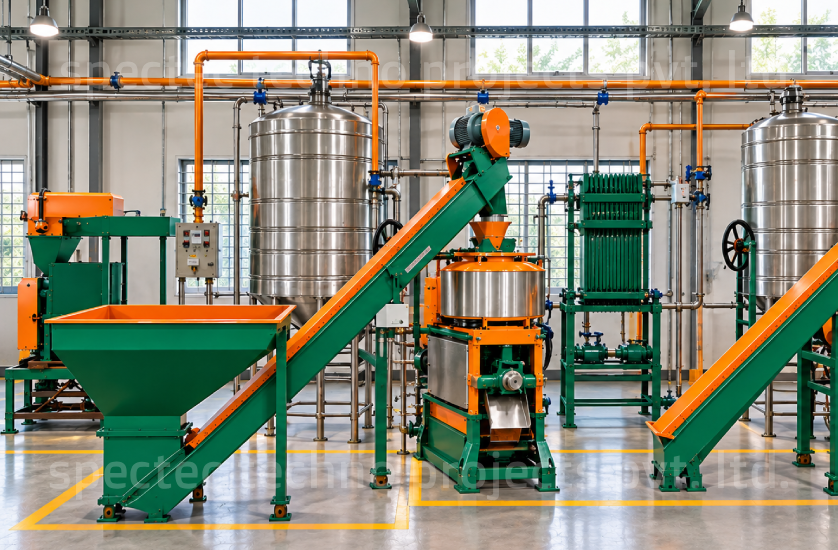
Spectec’s Winterisation Plant is a custom design to allow you to achieve selective crystallisation of different triglycerides in edible oil.
The winterisation process helps in stabilising an oil even in cold weather and avoiding haziness of oil.
Advantages of Winterization Plant
- Low steam & power consumption.
- Controlled cooling & efficient automation ensures more yield.
- Special design ensures best crystallization.
- Simple & Low Maintenance with proper Automations.
- Space and structure Saving
- Minimizes liquid effluents generation
More Projects
Read More for Related Refinery Projects
Discover related refinery projects and processing solutions developed by Spectech India, showcasing our expertise in designing, manufacturing, and delivering high-performance industrial systems.
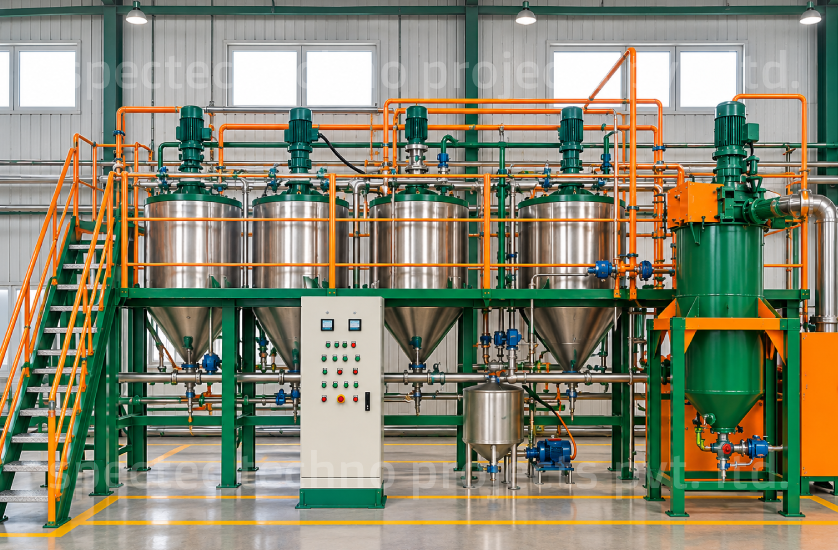
Sunflower Oil Refining
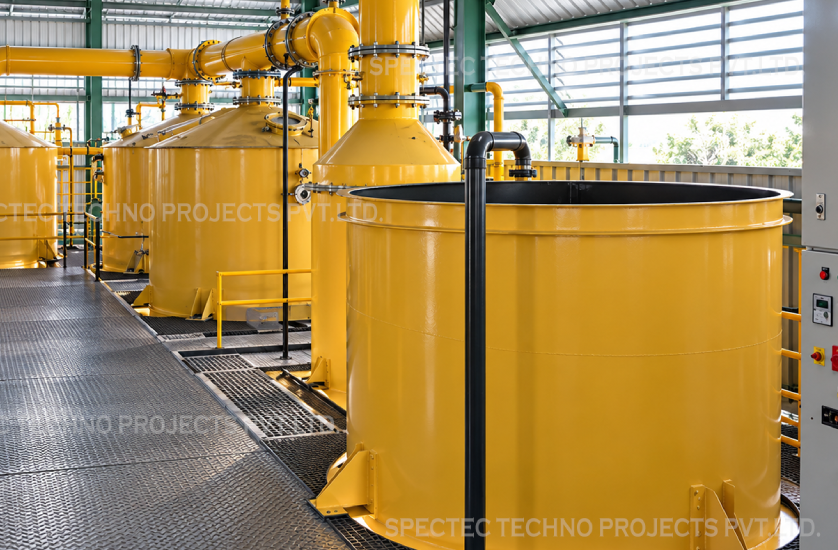
Corn Oil Refining
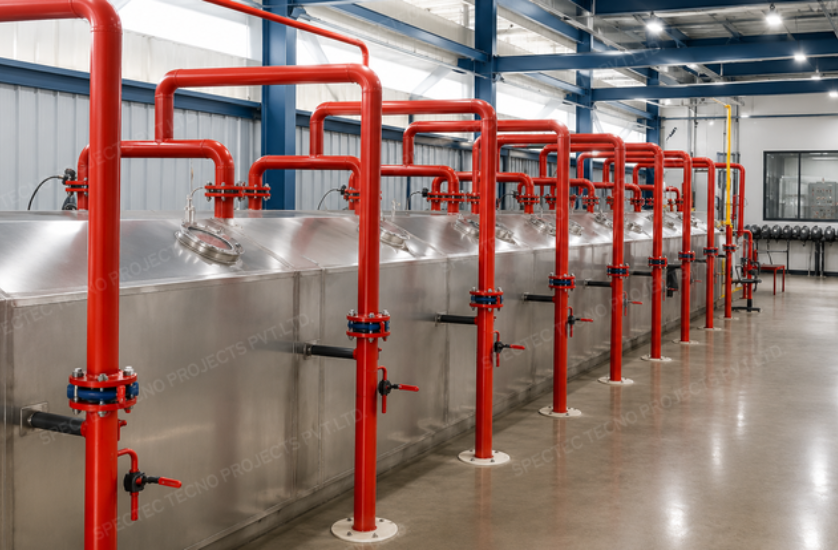
Rice Bran Oil Refining
Coconut Oil Refining
FAQ
Continuous Winterisation
Get clear answers about continuous winterization, oil dewaxing, filtration, process efficiency, and plant capacity.
What is the purpose of a continuous winterization plant in the oil industry?
The purpose of a continuous winterization plant in the oil industry is to remove undesirable components, such as waxes and lipids, from oils. This process is crucial to improve the oil’s stability, clarity, and overall quality.
How does a continuous winterization plant work in oil processing?
A continuous winterization plant works by chilling the oil to a specific temperature, causing waxes and lipids to solidify and separate from the oil, which can then be removed through filtration.
What are the key components and processes involved in a continuous winterization plant for oil?
The key components and processes in a continuous winterization plant for oil include chilling units, crystallization tanks, filtration systems, and heat exchangers. The oil is chilled, waxes and lipids are crystallized and separated, and the purified oil is filtered for further processing.
What are the benefits and advantages of using a continuous winterization plant in oil production?
The benefits and advantages of using a continuous winterization plant in oil production include improved oil quality, enhanced stability, extended shelf life, and increased value of the final product.
What are the challenges and considerations in implementing and operating a continuous winterization plant in the oil industry?
The challenges and considerations in implementing and operating a continuous winterization plant in the oil industry include energy consumption, equipment maintenance, process optimization, and proper handling and disposal of extracted waxes and lipids.

Have questions?
Get in touch!
We are ready to assist with your engineering requirements. Reach out to our project desk through any of the following channels, and our technical team will get back to you with a preliminary assessment.
Have a Project Query?
+91 8470042125
Email Our Engineering Desk
info@spectecindia.com