
Vanaspati Ghee Plant Manufacturer Process
- Home
- Other Projects
- Vanaspati Plants
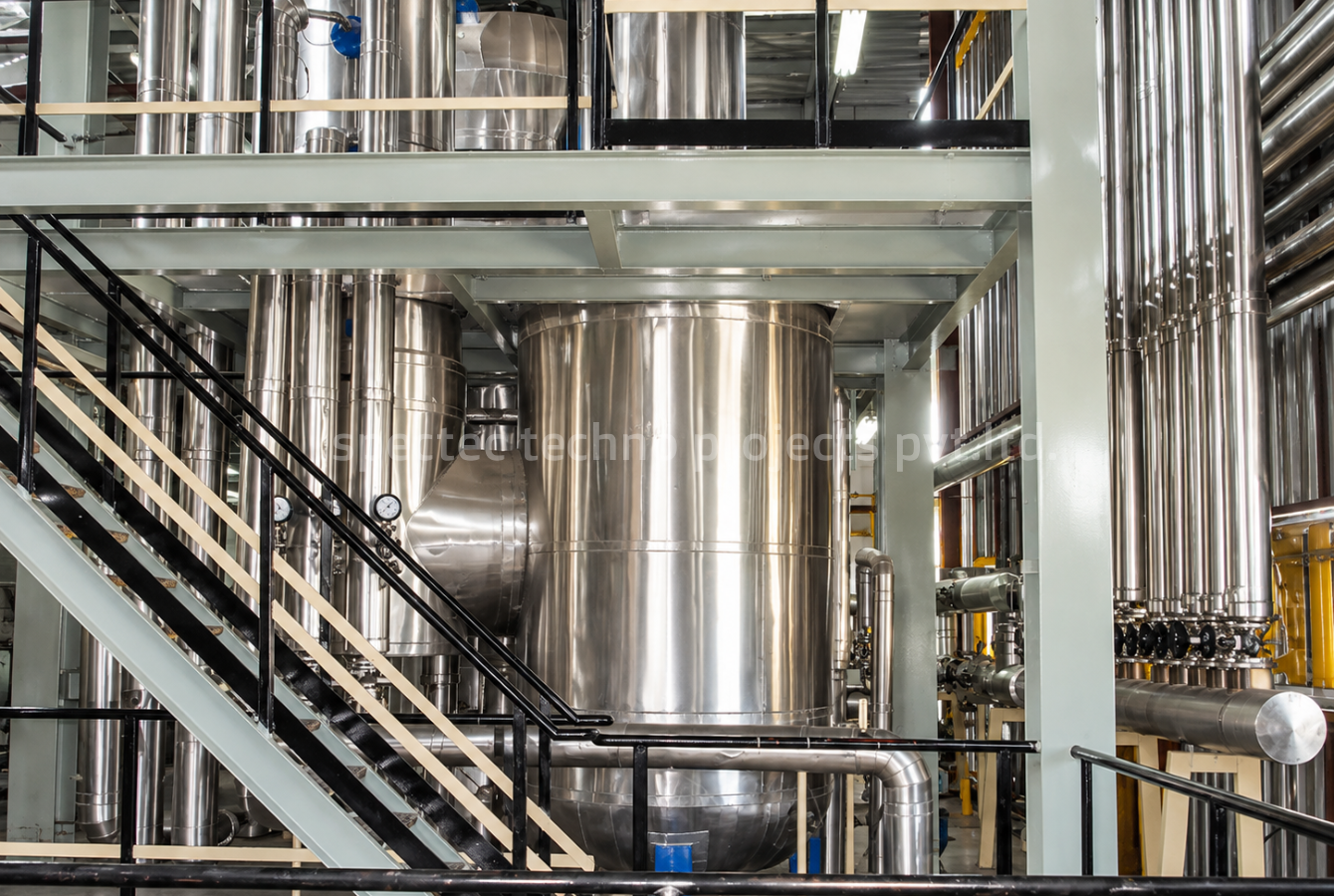
Vanspati is a consistent blend of edible vegetable oils that are refined & and hydrogenated to produce pure cooking fat. It is produced through controlled hydrogenation of edible oil. The colour, texture, and hardness resemble natural ghee. It acts as an alternative to the traditional butterfat ghee. Vanaspati is semisolid in nature with a coarse granular structure, and it usually requires a melting point of 37°C-39°C. The desired granular texture can be improved by interesterification.
Process Steps
Hydrogenation
Interesterification
Neutralization
Post Bleaching
Deodorization
Vapors Scrubbing
CPO/palm stearin/other soft oil from storage tanks is directly pumped to the autoclave through the hydrogenated fat cooler, where the heat is exchanged. The autoclave is specially designed to heat and cool the oil during the reaction and is provided with a catalyst dosing and sampling system.
The oil is fed to the autoclave, and the oil is heated to the reaction temperature in the presence of a spent catalyst with vigorous mixing through the specially designed combination agitation system. After attaining the required temperature, the compressed hydrogen is passed at very low pressure, and the required quantity of catalyst is dosed when the consumption of gas slows down.
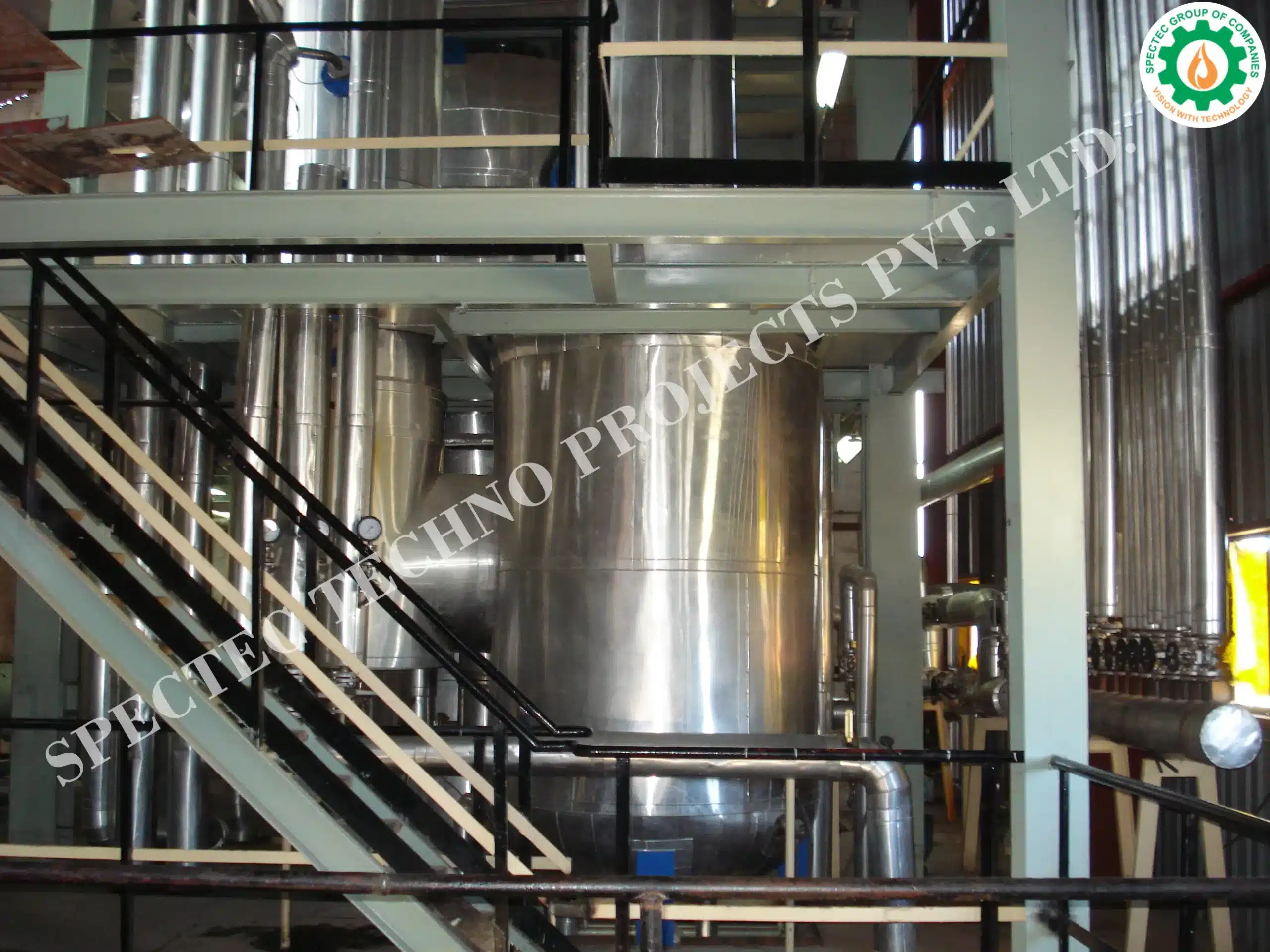
The samples were drawn to check the progress of the reaction.
Interesterification consists in modifying the physical properties of the oil by an interchange of fatty acids between and inside the different triglycerides by means of a catalyst. This is done by a catalyst operating at about 100 °C and under vacuum. The blending of oils at elevated temperature to interchange the fatty acid group.
The hydrogenated oils are pumped to the neutralisers from the intermediate tank. The oil is heated up to 60-70’C by means of the live steam provided in to the neutraliser and the required amount of hot water wash to allow the nickel particles to settle. After 2-3 hours, wash water is drained off in the slope oil tank.
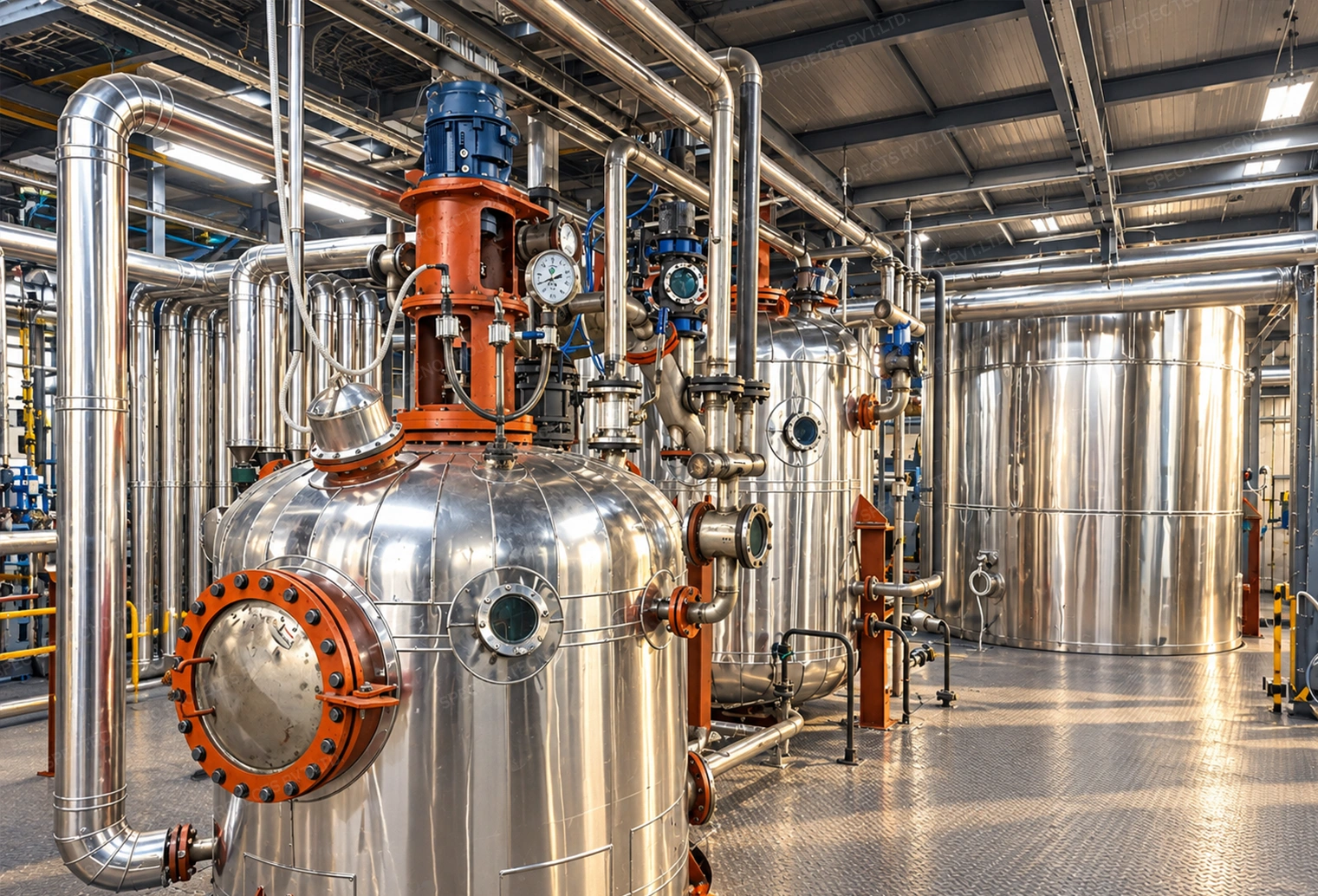
After neutralisation, the hydrogenated oil is pumped to the post blender, and at the same time, part of the oil is carried to the slurry tank. The oil is cooled before passing to the slurry mixer. A precalculated amount of bleaching earth is added in the slurry mixer; this slurry is sucked by means of vacuum to the bleacher.
After proper holding and mixing, this oil is sent to the alternative operating set of the pressure leaf filter. after this filtration, the oil is again filtered by the alternative operating set of polishing filters. Then it is cooled by a shell and tube cooler.
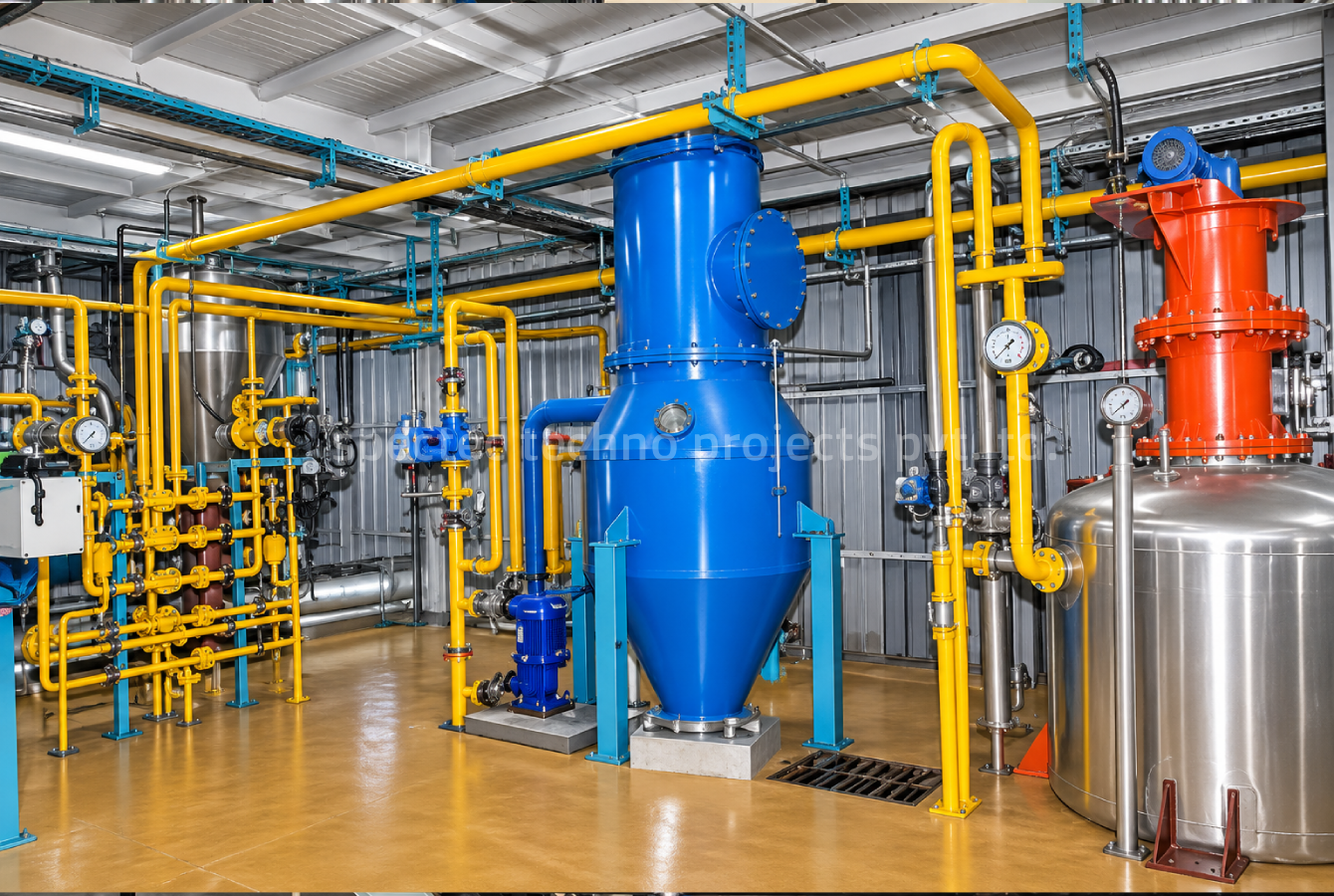
After recovering maximum heat from the refined oil,. Oil is further heated up to the required temperature, suitable for the deodorising in the final heater. This heater is equipped with agitation and sparging steam; the continuous flow of superheated steam through it assures effective primary vaporisation of fatty acids.
Further, this overflows to the multi-compartment deodoriser. Deodoriser is a multi-compartment vertical vessel where each tray is specially designed, which ensures uniform distillation of odoriferous substances. Oil overflows from tray to tray. Specially designed trays provide sufficient mass transfer surface for effective removal of volatile matters. The flow control system at the outlet of the deodoriser ensures the maintenance of the required level at the bottom tray. The steam used for stripping off volatile matters in the oil is distributed evenly and intensively. The steam meets the deodorised oil and strips off the volatile matter and rises through the vacuum, stripping the volatile matter from the oil. The counter-current flow of steam and oil like this in specially designed trays lowers steam consumption than the conventional deodorisers. The deodorised oil leaves the regenerative heat exchanger and is finally cooled by water in the heat exchanger. Finally, this oil is passed through the alternatively operating set of polishing filters.
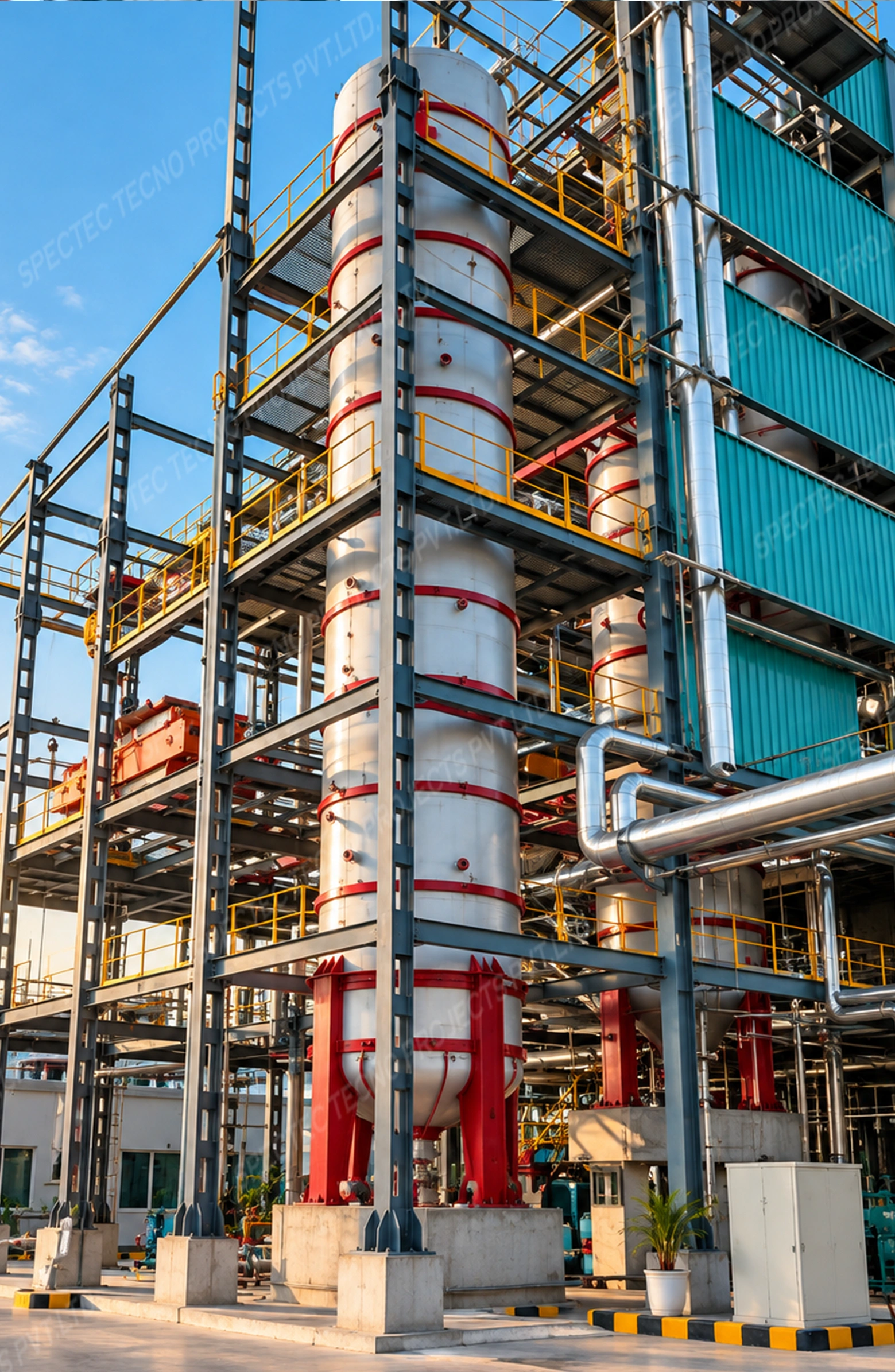
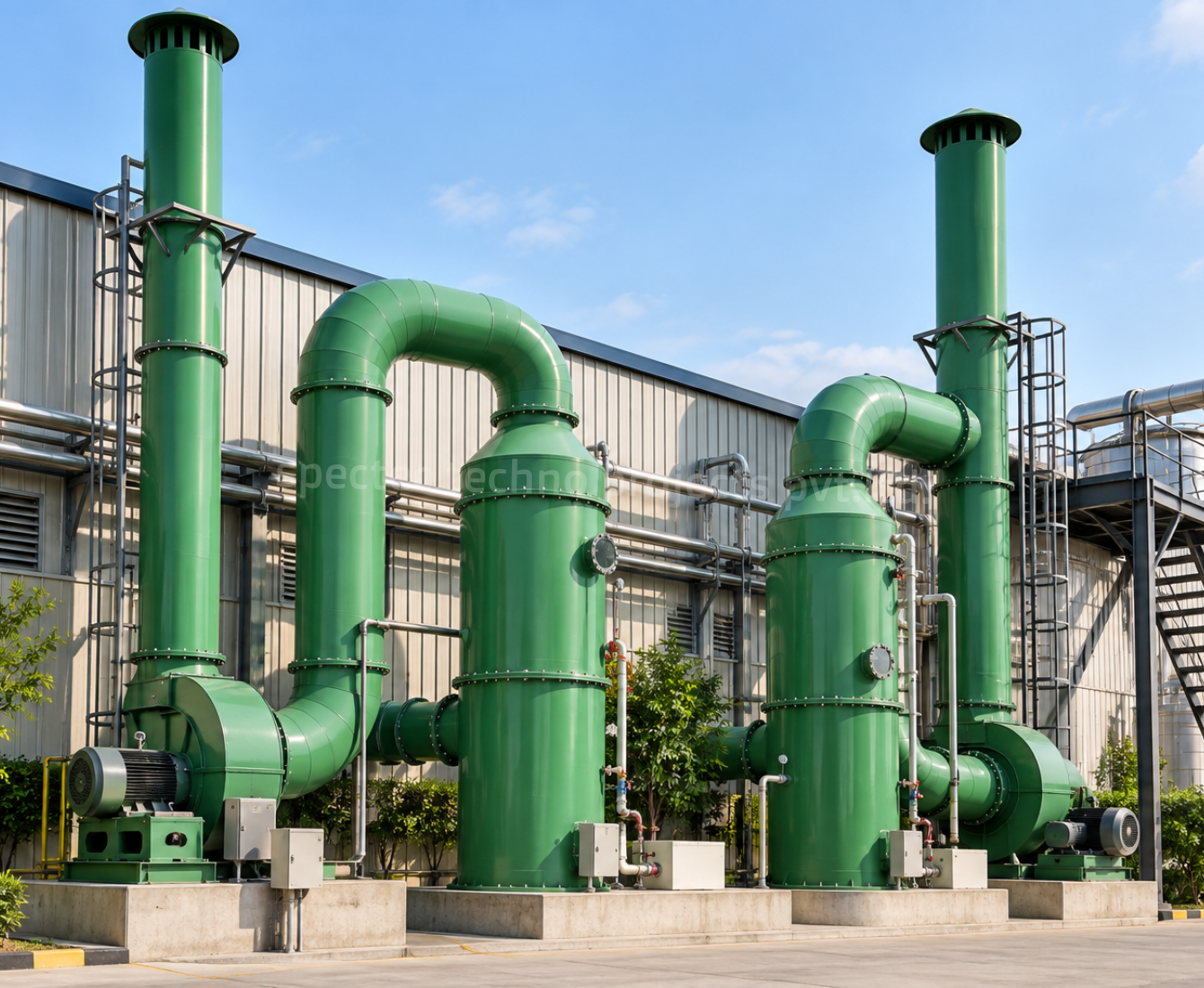
The volatile matters consisting of free fatty acids and other odoriferous substances stripped from the deodoriser are led to the vapour scrubber located at the outside of the deodorising column. In the scrubber, volatile material rises through the bed of pall rings and meets liquid fatty acid sprayed from the top. Vapours are condensed, cooled, and then recalculated to condensed fresh vapours. Excess distillate collected is led to the storage tank whenever a high level is reached in the storage space below the scrubber.
Fatty acid scrubber is specially designed for minimum carryover of fatty materials to the vacuum system.
More Projects
Read More for Related Refinery Projects
Discover related refinery projects and processing solutions developed by Spectech India, showcasing our expertise in designing, manufacturing, and delivering high-performance industrial systems.
Soya Nugget Plant
Pilot Plant
Bio Diesel
Castor Oil Refining
FAQ
Vanaspati Ghee Plant
Find quick, expert answers about Vanaspati ghee production, hydrogenation, plant processes, refining, and the turnkey solutions offered by Spectec.
What is Vanaspati and how is it used in food products?
Vanaspati is a hydrogenated vegetable oil used as a cooking fat and a cheaper substitute for ghee (clarified butter), made by converting liquid vegetable oils into solid or semi-solid fats through a hydrogenation process, often using palm oil
What is Vanaspati ghee and how is it different from natural ghee?
Vanaspati is made from liquid vegetable oils through a hydrogenation process that creates unhealthy trans fats, while natural ghee is a dairy product with healthy fats and nutrients
What is Vanaspati oil made from?
Vanaspati oil is made from hydrogenated vegetable oils, primarily palm oil, but also soybean, sunflower, and groundnut oils
How is Vanaspati ghee made in a Vanaspati plant?
Vanaspati ghee is made in a plant through the process of hydrogenation, where hydrogen gas is added to liquid vegetable oils (like soybean, sunflower, or palm oil) under high pressure and in the presence of a nickel catalyst
What is vegetable ghee and how does it relate to Vanaspati?
Vegetable ghee is a term for hydrogenated vegetable oil, which is a hardened fat made to resemble traditional ghee but is a cheaper substitute. Vanaspati is another name for this hydrogenated vegetable oil and is often used interchangeably with “vegetable ghee” in modern Indian markets
What is the Vanaspati ghee manufacturing process?
Vanaspati ghee is manufactured through the controlled hydrogenation of permitted vegetable oils, primarily palm oil, in the presence of a nickel catalyst
What raw materials is Vanaspati made from?
Vanaspati is made from various liquid vegetable oils, such as palm oil, palm olein, soybean oil, cottonseed oil, and sunflower oil

Have questions?
Get in touch!
We are ready to assist with your engineering requirements. Reach out to our project desk through any of the following channels, and our technical team will get back to you with a preliminary assessment.
Have a Project Query?
+91 8470042125
Email Our Engineering Desk
info@spectecindia.com